OUR STORY


A Story of Curiosity, Collaboration and Change
Our story is one of personal intrigue and textile curiosity, of the courage to speak out, the relentless drive to seek answers and the ability to galvanise an industry around a little known and invisible environmental pollutant…
2016 - 2020
EMERGE
2016
The Spark that Ignited Action
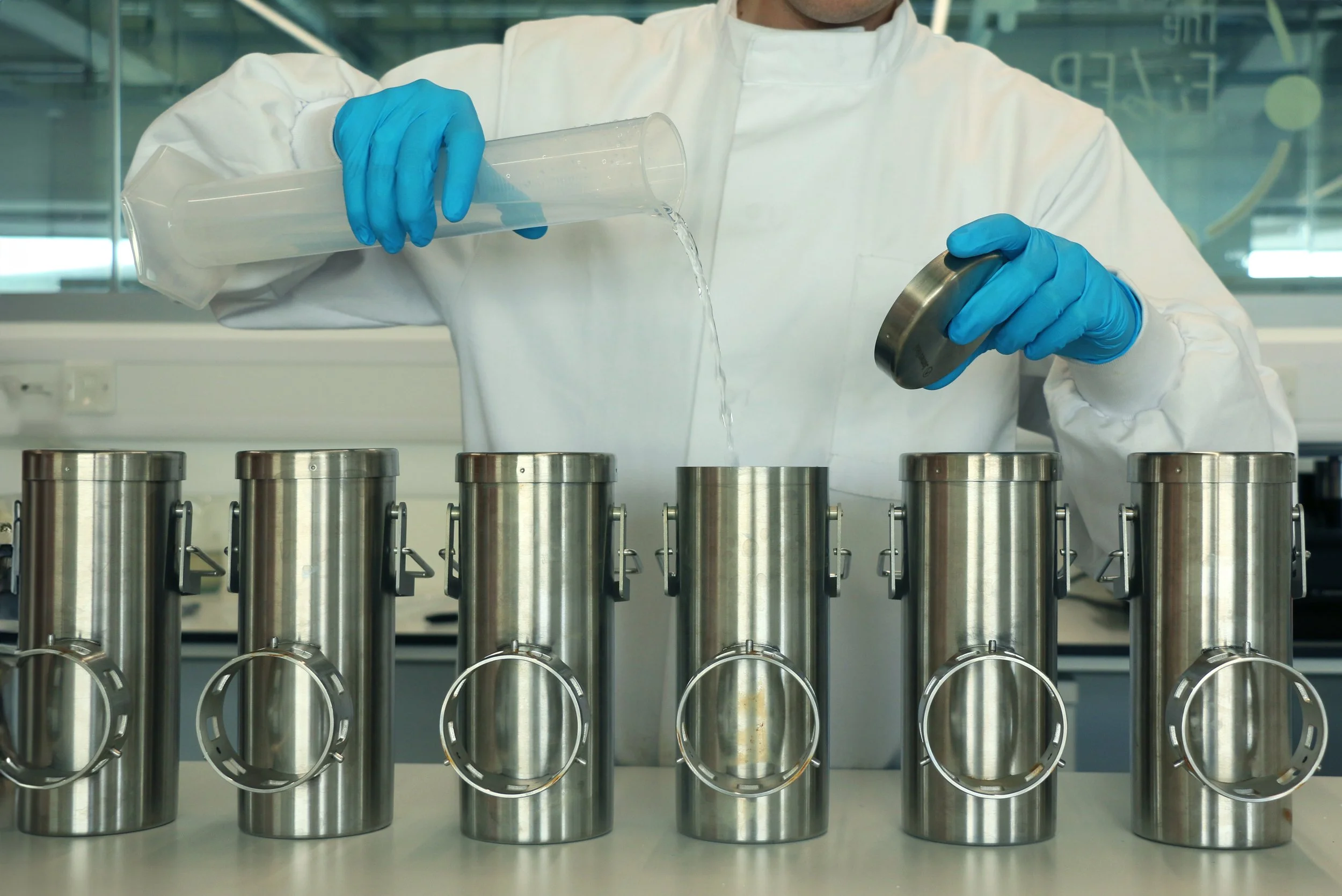
In 2016, a largely invisible issue began to quietly capture the attention of a few pioneers. While media coverage focused on the more visible forms plastic pollution, Sophie Mather’s curiosity was drawn to something far less apparent: the invisible pollution caused by tiny fibres released from textiles into our environment.
Her interest was first sparked during an ordinary moment: walking behind a man wearing a fleece jacket, she noticed a worn, bald patch where fibres had clearly shed. Later, at a trade show, she found grey carpet fibres clinging to her boots. These seemingly small observations triggered a deeper question:
“Why do clothes shed fibres, and what happens to these particles once released into the air we breathe, the water we drink, the environment we live in and the ecosystems we depend on?”
Sophie began to explore the existing body of scientific evidence to better understand the issue.
Independently, the European Outdoor Group (EOG) also started exploring the issue. Growing awareness and concern among its members prompted them to approach Katy Stevens, then a sustainability project manager, with a critical question: What do we actually know about microfibre shedding and what can we do about it?
This is when Katy first approached Dr Mark Sumner and Dr Mark Taylor at the University of Leeds, inviting them to conduct early testing to understand the potential scale of the problem for the outdoor industry.
What followed was a deep dive into the existing body of scientific research most of which, at the time, came from marine science. Their review uncovered a fragmented landscape of inconsistent testing methods, limited data, and inconclusive results. It quickly became clear that the industry not only lacked standardised ways to reliably measure fibre shedding, but also lacked a broader understanding of its sources, pathways, real-world impacts and effective solutions.
2017
First industry mobilisation
Driven by her deep textile expertise and a belief that the issue needed to be tackled at the root, Sophie Mather, founder of biov8tion, took early and decisive action. She launched the crowdfunding campaign #DontFeedTheFish, which not only raised awareness of the invisible problem but also helped to bring fibre shedding into sharper industry focus.
The campaign gained early traction and support from pioneering voices in the sector, including the European Outdoor Group, and leading brands. It served as a rallying point for those ready to move from curiosity to collective action in order to protect the environment.
“We knew that without a repeatable and reproducible test method it would be impossible to generate meaningful data, compare results, or drive effective action across the industry”
At the same time, the Outdoor Industry Microfibre Consortium, the precursor to TMC, was initiated and incubated by EOG together with biov8tion. This foundational support enabled early scaling of research and coordinated action across EOG’s member network, while raising visibility among key stakeholders in the broader sustainability space.
Building the Case for an Aligned Test Method
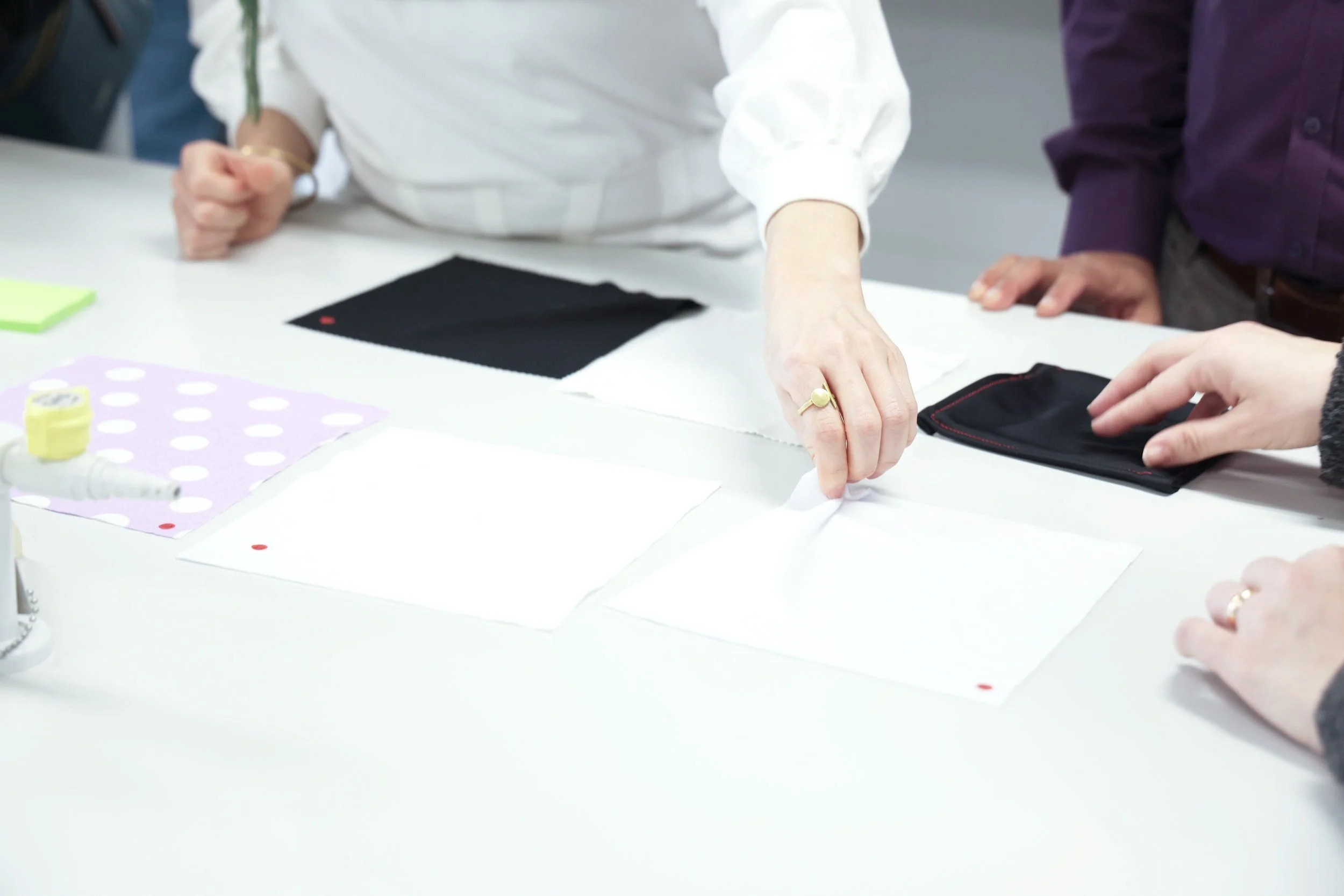
In parallel, the European Outdoor Group partnered with the University of Leeds to begin foundational research into a reliable, standardised test methodology to measure fibre loss during laundering. This work also provided the first technical insights into how fibres shed through both use and wash.

2018
Formation of The Microfibre Consortium (TMC)
Building on this early momentum and recognising the need for a dedicated platform, Sophie Mather and Dr Katy Stevens co-founded The Microfibre Consortium (TMC) in 2018 as a stand-alone non-profit organisation. Established from the early development work of biov8tion and the European Outdoor Group, TMC was created to unite the apparel industry’s efforts in addressing microfibre pollution through collective action.
“With a challenge so extreme, a business-as-usual approach of competitive innovation would not reap the measurable results required. Working directly with suppliers, as well as research partners and brands, would expedite results and bridge deep academic science with real time solutions.”
TMC was built to support the industry to reengineer its materials, through science-led design decisions and production processes that address the root causes of fibre fragmentation. The organisation launched as a membership-based model, bringing together partners driven to tackle fibre fragmentation as a collective.
2019
Launch of The TMC Test Method
Quantification of fibre loss from fabrics during simulated domestic laundering
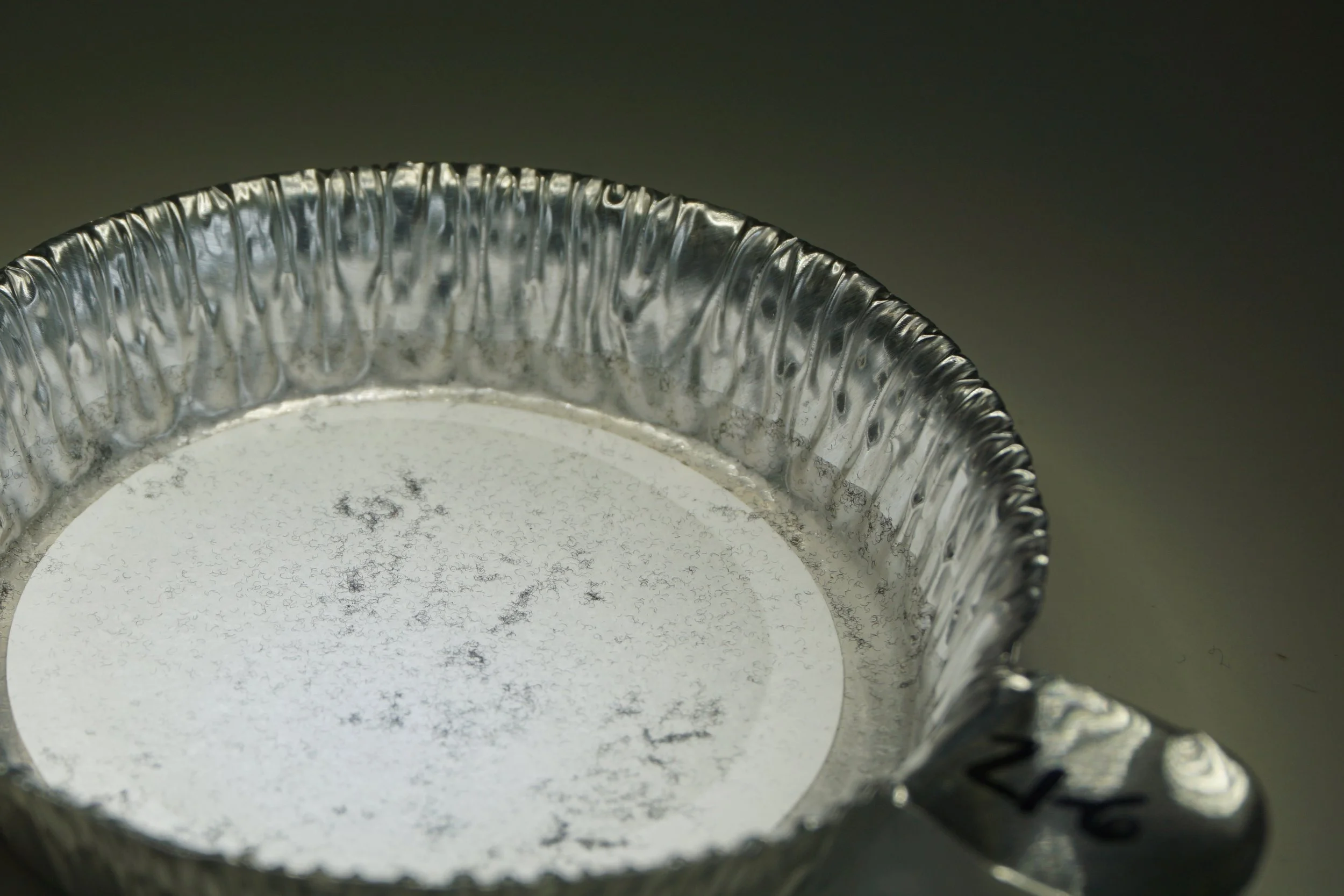
In 2018, work began to validate the early test methodology developed by EOG and the University of Leeds, with the goal for creating a standardised method to quantify fibre loss from fabrics during an initial domestic wash cycle.
The collaboration between The University of Leeds, EOG, TMC and a broader network of engaged stakeholders, led to the development of the TMC Test Method using ISO 105-C06 as its foundation. The method uses standard laboratory equipment to produce accurate, repeatable, scalable and comparable data, enabling widespread adoption across commercial testing facilities.
Following extensive development and validation, the method was officially launched in 2019. For the first time, the global textile industry could adopt a science-led, consistent approach to measuring fibre fragment loss from fabrics providing the critical first step toward informed decision-making.
Building on this launch, TMC and the University of Leeds continued their collaboration, to fund a research technician and subsequent PhD, to investigate the root causes of fibre fragmentation using the TMC Test Method. This further research generated fundamental scientific understanding of why fragmentation occurs and resulted in academic publications that contributed to the wider body of knowledge.
2021
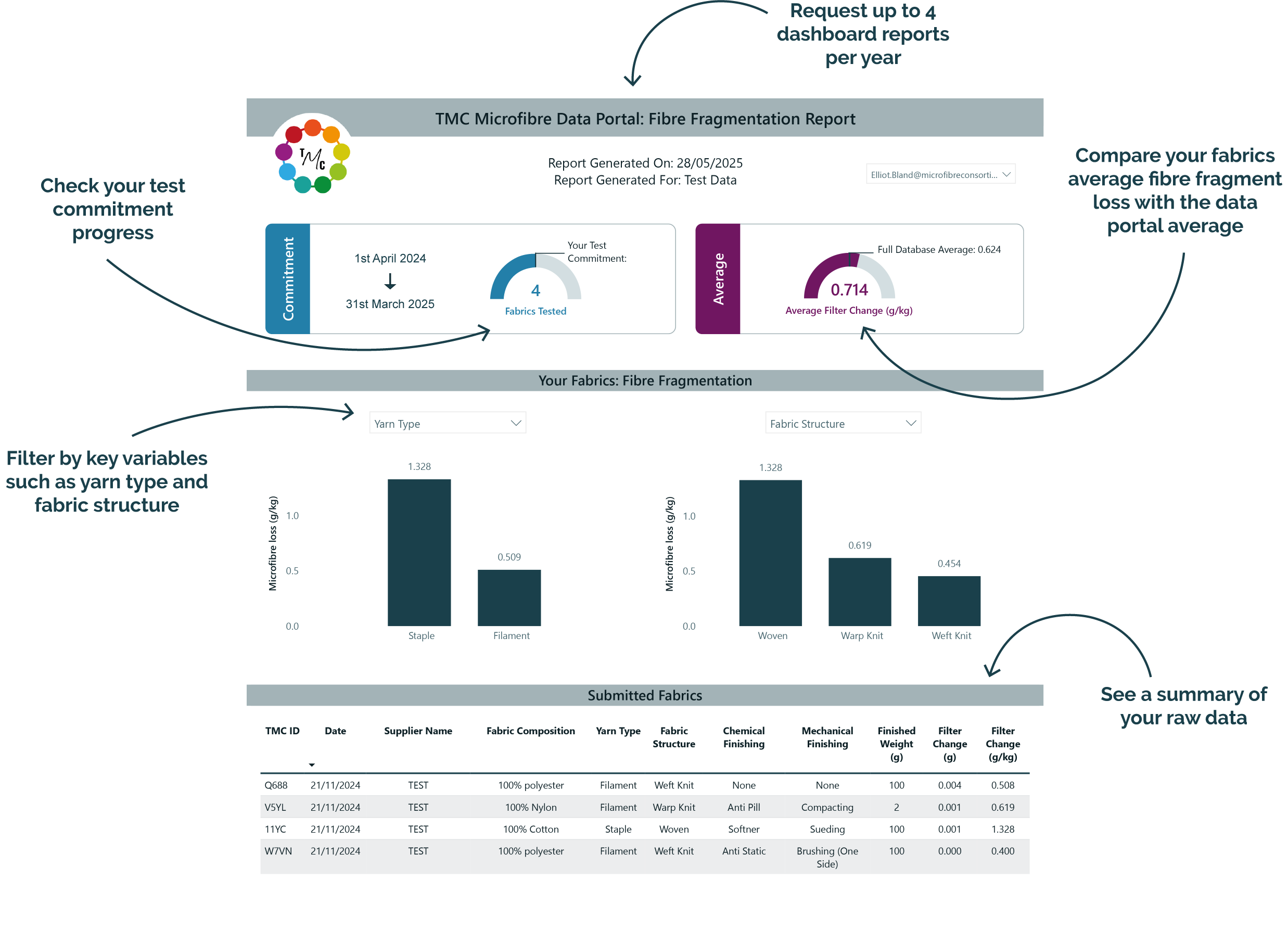
The Microfibre Data Portal was established
To build on the foundation of the standardised test method TMC launched the Microfibre Data Portal in 2021; the first industry-wide repository of fibre loss data connected to detailed fabric specifications.
This pioneering platform enables deep analysis by connecting fibre fragmentation results with the technical characteristics of the tested fabrics. It serves as a vital tool for accelerating research into the root causes of fibre shedding and supports the identification of science-led design recommendations.
The launch of The Microfibre Data Portal marked a significant step forward in helping the industry move from measurement to understanding, paving the way for the identification of effective mitigation strategies.
2021 - 2024
ACTIVATE
2021
Launch of The Microfibre 2030 Commitment and Roadmap
As the industry called for a globally aligned agenda to tackle fibre fragmentation, TMC responded with The Microfibre 2030 Commitment and Roadmap, a central framework of coordinated action designed to scale fabric testing, increase momentum among signatories, and drive collective industry progress.
Testing and sharing results remain critically important to enable meaningful, science-based, and coordinated action; helping to identify the root causes of fibre fragmentation and guide effective mitigation strategies.

2021
The Microfibre Consortium and ZDHC Foundation announce strategic collaboration
TMC and ZDHC partnered to address microfibre pollution in manufacturing wastewater. The collaboration combined ZDHC’s expertise in sustainable chemical management with TMC’s science-led expertise on fibre fragmentation. It recognised the urgent need to measure fibre fragment loss in wastewater across production facilities, laying the groundwork for effective mitigation. The collaboration centres on robust measurement and baselining, providing a foundation for transparent, accountable and effective progress across the value chain.
2023
Leadership Transition: Dr Kelly Sheridan Appointed CEO
At the end of 2023, Dr Kelly Sheridan was appointed Chief Executive Officer of TMC. Co-Founder / Executive Director Sophie Mather transitioned from the board into a short-term advisory role to ensure continuity during management transition.
2025 - 2027
EMBED
2025
The Microfibre Roadmap v2.0 Launch
In 2025, TMC reflected on the rapid acceleration of knowledge and understanding it helped to drive. This led to the creation of an updated Roadmap to address evolving priorities and meet the sector’s growing appetite for closing remaining knowledge gaps. Since the launch of the original Roadmap in 2021, fibre fragment pollution gained significantly greater visibility. The Microfibre Roadmap v2.0 built on this momentum, embedding the issue more deeply within the textile sustainability agenda, while ushering in a new era of collaboration and collective action.

“Now, we are ready to kick-start the next phase, addressing multiple pathways, connecting datasets, predicting shedding rates, and maximising impactful actions. Together, using the updated roadmap, we are ready to continue our journey with greater clarity and confidence.”
2025
Diving deeper into Root Cause Understanding
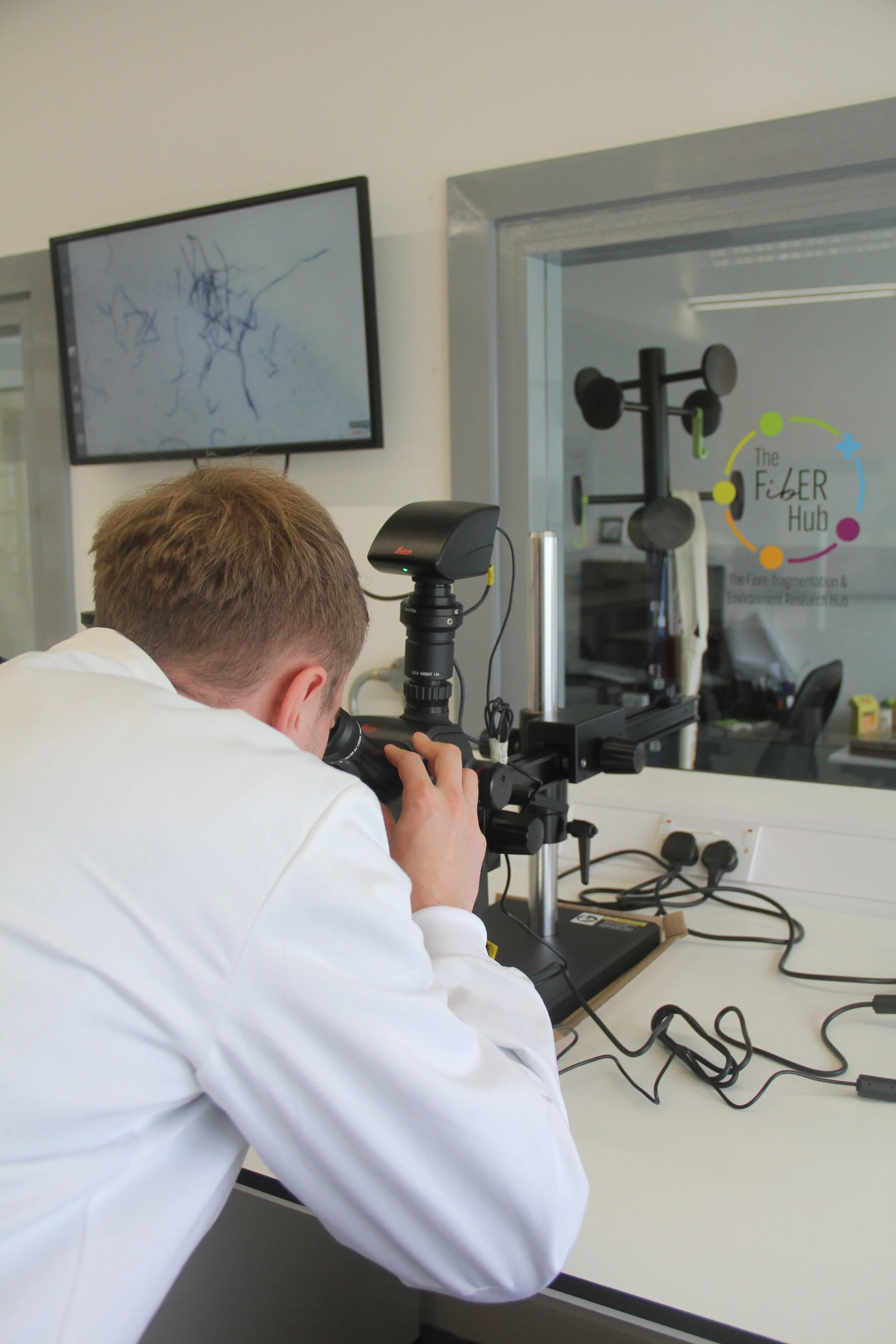
TMC doubled down on efforts to understand how specific fabric characteristics influence fibre loss during the initial cycle of domestic laundering. This commitment led to the creation of the Fibre-fragmentation and Environment Research Hub (FibER Hub), in collaboration with Northumbria University, and the release of the the first large-scale global study identifying key structural and material factors that contribute to fibre shedding — marking a significant step forward in the field. Building on this, the Behind The Break project was launched in partnership with Fashion For Good to investigate the root causes of fibre fragmentation during manufacturing and enhance testing methodologies.
Stay tuned for more to come in the ‘Embed’ chapter of our story…
2028 - 2030
SCALE
And beyond…
A space for the next chapter in our journey as TMC continues to drive data, science and mitigation action across the textile supply chain.